Last verified: April 2026
Definition
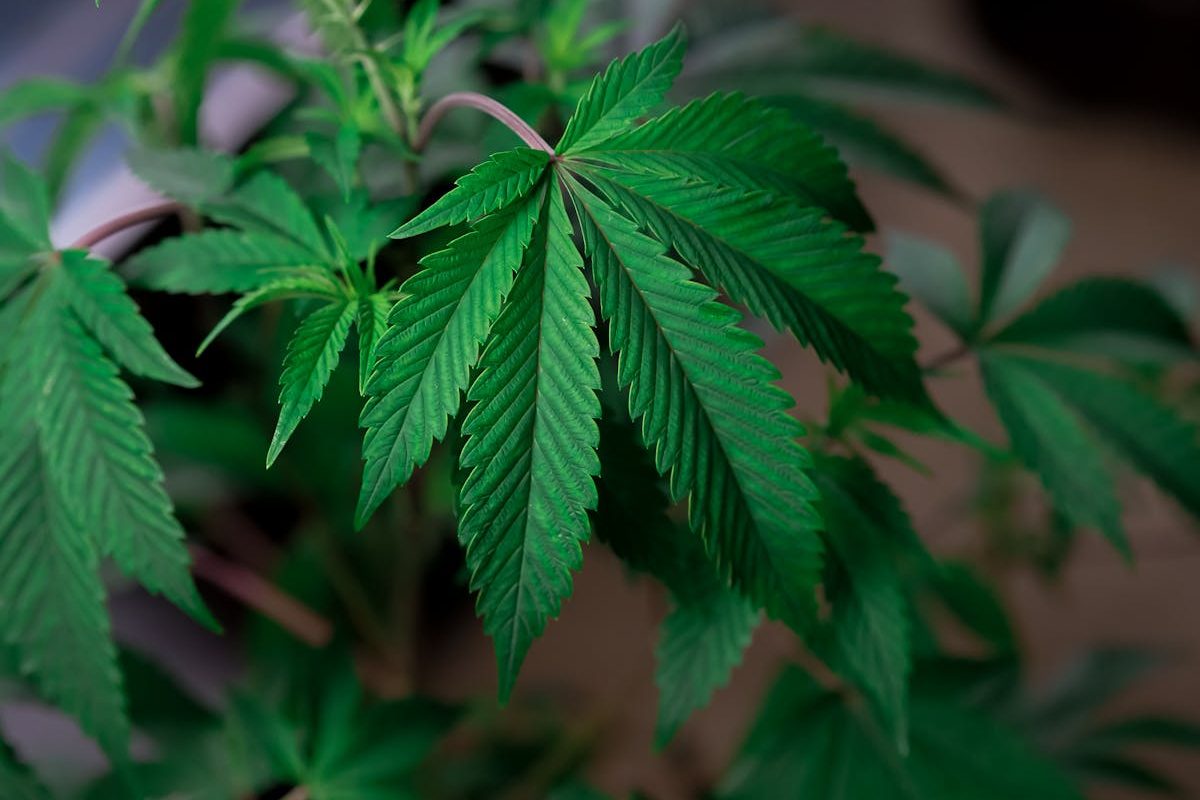
Dank (adjective) describes high-quality cannabis — sticky to the touch, strongly aromatic, densely trichome-coated, and potent. In the cannabis context, “dank” is entirely positive.
Etymology & Origin
The original English word dank, from Middle English danke, describes something unpleasantly damp, musty, or moldy — the kind of word that goes with basements and dungeons. The Oxford English Dictionary records it from the 14th century onward with that negative sense.
Cannabis subculture reversed the polarity by the 1980s or earlier. The origin is descriptive: premium flower is slightly moist to the touch (because it’s properly cured rather than dried out), and its aroma is often musty, earthy, or swamp-like in a way that reads as “dank” in the original sense. What was a negative became a positive — proof of quality.
The internet age produced a second meaning: since 2014 or so, “dank memes” has meant very-online, very-good, slightly-weird internet humor. This gen-Z meme usage is an extension of the cannabis sense, not a separate etymology.
Usage
- “This is the dankest bud I’ve smelled in months.”
- “Pure dank — I can smell it from the other room.”
- “Mids are mids. Give me the dank.”
Register: widely understood, mostly casual. Some legal-market dispensaries consciously avoid “dank” on menus because it sounds dated next to “top shelf” or “connoisseur.”
Related Terms
See fire, loud, and schwag (the historical opposite).
For in-depth cannabis education, dosing guides, safety information, and research summaries, visit our partner site TryCannabis.org