
Last verified: April 2026
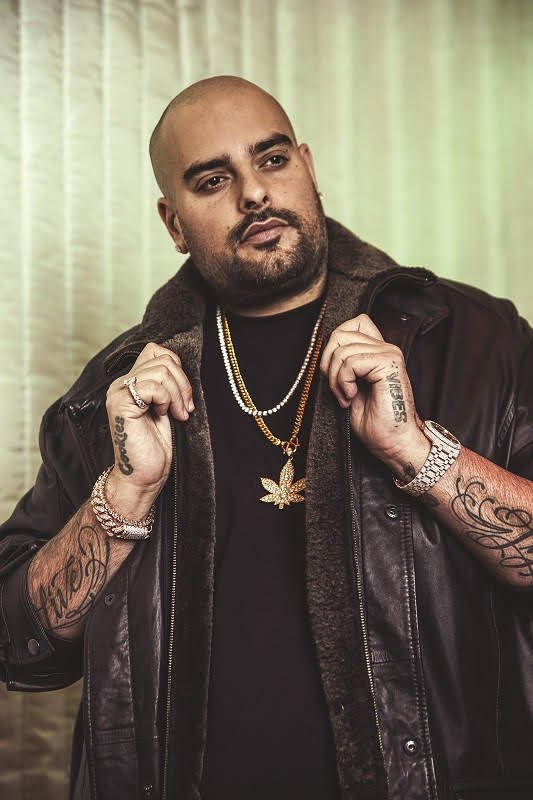
Who He Is
Gilbert Anthony Milam Jr. — known universally by his rap and industry name Berner — is a San Francisco-born rapper, entrepreneur, and co-founder of Cookies, the most commercially successful modern cannabis lifestyle brand and the only one that has credibly crossed from cannabis specialty retail into full streetwear/cultural brand status. He began his career selling cannabis to pay the bills while releasing independent hip-hop, worked as a budtender at the San Francisco Hemp Center dispensary, and used that retail perch to develop the relationships and product knowledge that produced Cookies.
His co-founder was cultivator Jai Chang, the breeder who developed the Girl Scout Cookies strain — a cross generally described as a Durban Poison x OG Kush hybrid — which became one of the most influential cannabis cultivars of the 2010s. The brand took its name and visual identity from that strain. The signature blue-and-white "C" logo is now one of the most counterfeited marks in cannabis.
Key Contributions
- Cookies (founded 2010, with Jai Chang). Co-founded as a strain-and-apparel project in San Francisco; now operates 70+ retail locations across 6 countries, including the U.S., Canada, Israel, and multiple European markets.
- 2021 sales of more than $700 million. Publicly reported sales figures put Cookies among the largest cannabis retail brands in the world by that year, with a substantial additional apparel and merchandise business.
- First cannabis executive on the cover of Forbes (August 2022). The cover and accompanying profile represented a formal business-press recognition that the cannabis industry had produced a legitimate celebrity entrepreneur in the mold of a streetwear or spirits founder.
- Ad Age's Hottest Brands (2021). Cookies was named to Ad Age's annual list — the first cannabis brand ever to receive the honor. It placed Cookies in the same marketing-trade conversation as Liquid Death, Telfar, and other breakthrough consumer brands.
- The budtender-to-founder pipeline. Berner's trajectory — from dispensary counter to international brand — became a template and a recruitment argument for a generation of cannabis retail workers. His visibility made it legible that the industry has upward paths.
Signature Moments
The Forbes cover. The August 2022 issue of Forbes put Berner on the cover with a profile emphasizing Cookies' international retail footprint and the company's approach to building brand equity around specific named strains rather than commodity flower. The editorial framing — a legitimate business story about a legitimate consumer brand — represented a shift in how mainstream business press treats cannabis founders.
Girl Scout Cookies. The strain itself became a touchstone: dense, trichome-heavy, distinctive sweet-and-mint terpene profile, reliably high THC. Named cuts — Thin Mint, Platinum — became their own micro-brands. The strain's success made the case that cannabis could be marketed the way wine is marketed: by cultivar, by origin, by name.
The counterfeit problem. Berner has been openly vocal, in interviews and on social media, about the scale of Cookies-branded counterfeits on the illicit market — unlicensed operators using the blue "C" logo on unregulated flower and vape cartridges. The issue is now a widely cited example in legal-vs-illicit cannabis discussions.
Three reasons. First, Chang was an actual breeder with an actual breakthrough strain — Girl Scout Cookies was legitimately good, and legitimately new, in a market crowded with repackaged OGs. Second, Berner built an apparel and merchandise operation in parallel with the cannabis operation, so brand awareness compounded outside the legal-cannabis advertising restrictions that kneecap most cannabis brands. Third, the company prioritized retail footprint in cities where it could operate legally rather than trying to be everywhere at once.
Legacy and Current Status
Berner remains CEO of Cookies. The company continues to expand retail, release new strain collaborations, and run its apparel business. He also continues to release music — he is a prolific rapper with a long catalogue, much of it about cannabis — and has been an active investor in other cannabis-adjacent ventures.
His broader legacy is that he demonstrated, in public and with audited numbers, that a cannabis brand can be built in the lifestyle register — alongside sneakers, streetwear, and music — rather than in the commodity-agriculture register most other cannabis operators were using. That demonstration has shaped the strategic thinking of essentially every large cannabis brand that has followed. See Seth Rogen's Houseplant for a parallel, more design-led version of the same argument.
The brand-culture lesson is that how cannabis is presented matters. Packaging, retail experience, and consistency of product are not optional — they are the mechanism by which consumers develop informed preferences. For individual consumers, the implication is that paying a premium for a brand you trust is legitimate behavior, not snobbery. Brand trust is how you avoid the counterfeits.
For dispensary etiquette and how to shop premium brands, see our dispensary overview. For the other end of the commercial argument, see our Seth Rogen profile.
For in-depth cannabis education, dosing guides, safety information, and research summaries, visit our partner site TryCannabis.org