
Last verified: April 2026
The Phrase That Runs the Whole Industry
Walk into any legal dispensary in the United States, open any harm-reduction pamphlet printed by any state health department, or read any budtender training manual, and you will find the same four words: start low, go slow. It is the single most repeated piece of guidance in modern cannabis, and it exists because nearly every cannabis emergency room visit on record shares one root cause — someone took too much, too fast, without waiting for the first dose to arrive.
The Modern Starting Dose: 2.5mg THC
The industry’s internal benchmark for an edible starting dose is 2.5 milligrams of THC. Packages often advertise 5mg as the “standard low dose,” but 5mg is too much for a lot of people — especially anyone who has been away from cannabis for years or who is new to it entirely. Half of a 5mg gummy is a safer starting point. 2.5mg is enough to feel something without risking a difficult experience.
For adults 65+ and anyone returning after a long break, the 2025 JAMA Internal Medicine data is a useful reminder: modern edibles are not the brownies of 1975. 2.5mg is the adult microdose. 1mg is a reasonable starting point for the first-time older adult. There is no prize for jumping straight to 10mg.
The single most common cause of a cannabis emergency is re-dosing before the first dose lands. Edibles can take up to 120 minutes to hit, especially on a full stomach. Many people feel nothing at 45 minutes, eat another gummy, and then greet two doses landing together at hour two. Write down the time you consumed. Set a timer. Do not re-dose before the timer sounds.
Why Edibles Are Delayed (and Stronger)
When you inhale cannabis, THC crosses from your lungs into your bloodstream within seconds and reaches your brain in 5–15 minutes. You feel effects quickly and can titrate in real time — another puff, or no more puffs, based on how you feel right now.
When you eat cannabis, the THC takes a longer road. It travels through your stomach into your small intestine, then through your liver, where a first-pass metabolism converts Delta-9 THC into 11-hydroxy-THC. 11-hydroxy-THC crosses the blood-brain barrier more efficiently than Delta-9 and is generally described as more potent and longer-acting. This is why edibles both take longer to arrive and hit harder once they do.
Onset windows for edibles:
- Empty stomach: 30–60 minutes
- Full stomach: 60–120 minutes, occasionally longer
- Duration of effects: 4–8 hours, sometimes longer at higher doses
Onset Windows by Method
Different consumption methods have different onset and duration profiles. Pacing depends entirely on knowing which clock you are on.
- Inhaled flower or pre-rolls: onset 5–15 minutes, peak 30 minutes, duration 1–3 hours.
- Vape pens (distillate or live resin): onset 5–10 minutes, peak 20 minutes, duration 1–3 hours.
- Dabs and concentrates: onset near-immediate, peak 10–15 minutes, duration 1–3 hours. Dose is concentrated — 0.1g at 80% THC is not a beginner product.
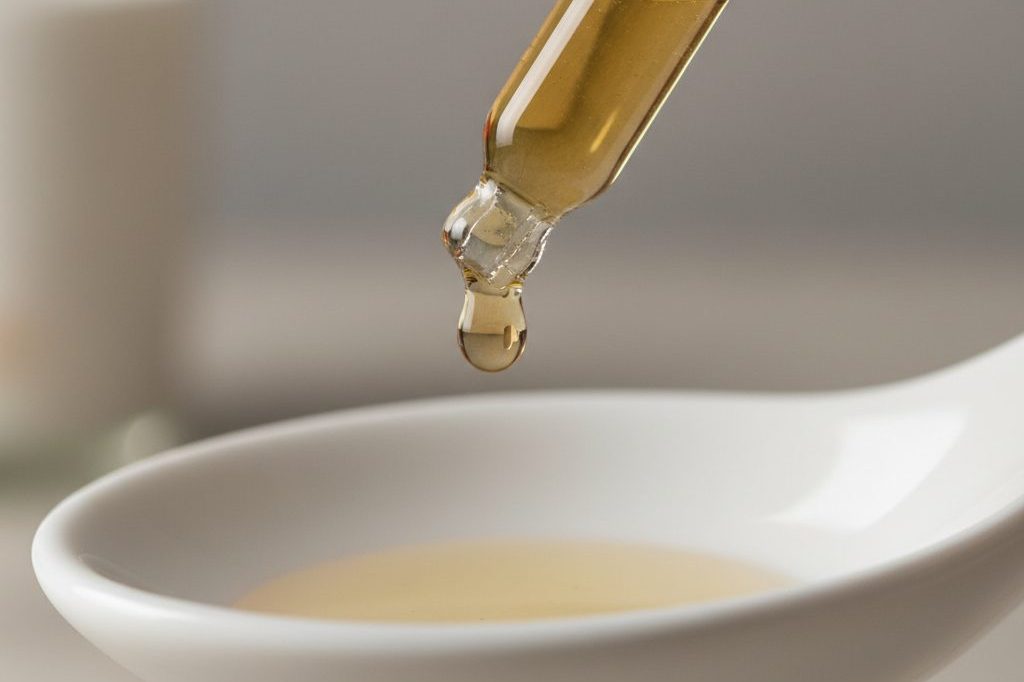
- Tinctures (sublingual): onset 15–45 minutes, peak 90 minutes, duration 3–6 hours.
- Edibles: onset 30–120 minutes, peak 2–3 hours, duration 4–8 hours.
- Capsules: similar to edibles, slightly slower onset because the shell has to dissolve first.
- Topicals: variable, mostly localized; transdermal patches hit the bloodstream but slowly.
Older Adults Should Start Lower Still
Body composition changes with age. Older adults generally have less water weight, more body fat, slower liver metabolism, and more concurrent medications. All of that means cannabis effects can be stronger, longer, and more unpredictable than in a younger body. The 1mg–2.5mg edible starting dose is not condescending — it is the evidence-based floor for anyone over 60. See the older adults guide for a fuller walk-through.
The Social Version of the Rule
“Start low, go slow” is a personal safety rule, but it is also an etiquette rule. When you host, you apply this principle to the people you invite. You dose the edible tray conservatively. You label every item with milligrams. You serve the infused course after the non-infused starters. You check in with guests before you pass them a second round. You never, ever pressure someone to “catch up” or “level up.”
A good host treats cannabis the way a good bartender treats liquor: with respect for strength, awareness of pace, and a readiness to pour the water instead of the next round. Chef Leather Storrs, who helped define the Cultivating Spirits infused-dinner model, frames it as pacing courses the way a sommelier paces wine — with a light hand, and always with food.
If You Miscalculated: What To Do
Everyone eventually miscalculates. The recovery protocol is simple and works:
- Stop consuming. No more puffs. No more edibles.
- Water and sugar. A glass of juice or a snack can blunt acute anxiety.
- Get comfortable. A quiet, familiar space. Dim lights. A friend you trust.
- CBD. A high-CBD tincture or flower can counteract THC anxiety. A 2013 Journal of Psychopharmacology study confirms the effect.
- Black pepper. Chew two or three peppercorns. Dr. Ethan Russo’s 2011 review found beta-caryophyllene binds CB2 receptors and can dampen THC intoxication.
- Wait. Even the worst edible wave fades. Minutes to hours, rarely 24. Full protocol on the greening out page.
For in-depth cannabis education, dosing guides, safety information, and research summaries, visit our partner site TryCannabis.org